
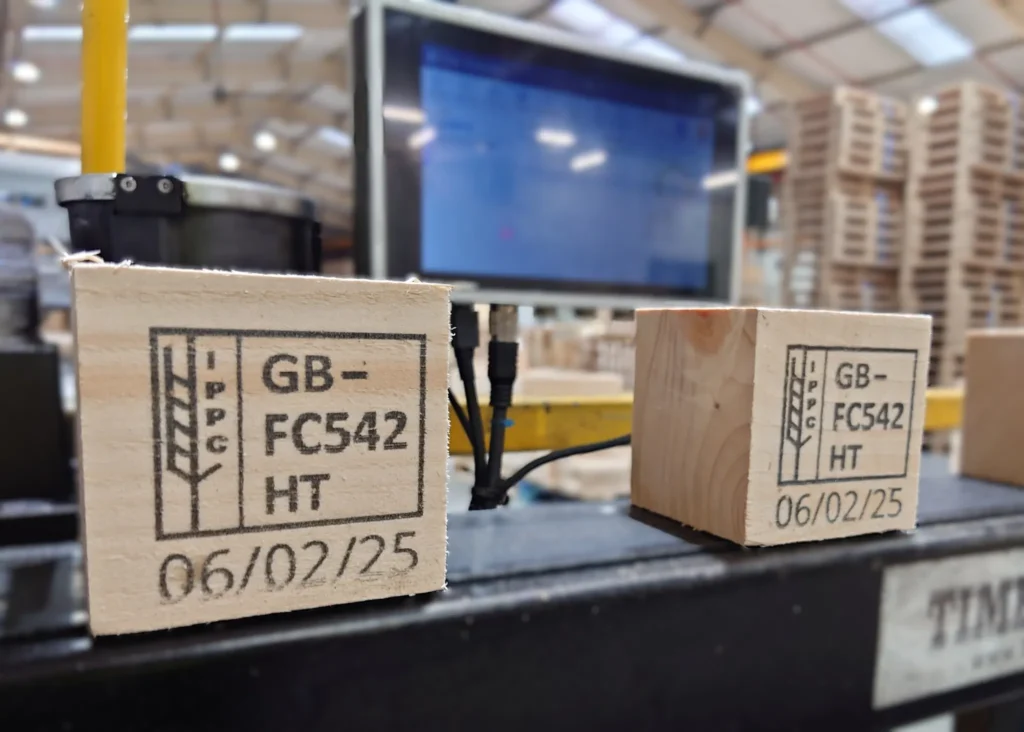
ISPM15 rules require crates and pallets shipped outside of the UK to be made of wood that has been heat treated. Once the wood pieces have been treated, they are stamped with the ISPM 15 mark: the IPPC symbol, the country code GB, the registration number (ours is FC0542) and HT for heat treatment.
APS Packaging Ltd are registered under the UK Wood Packaging Material Marking Programme (ISPM15 FC0542) allowing us to provide heat treatment process and authorising us to apply the ISPM15 mark to timber used for wood packaging when required.
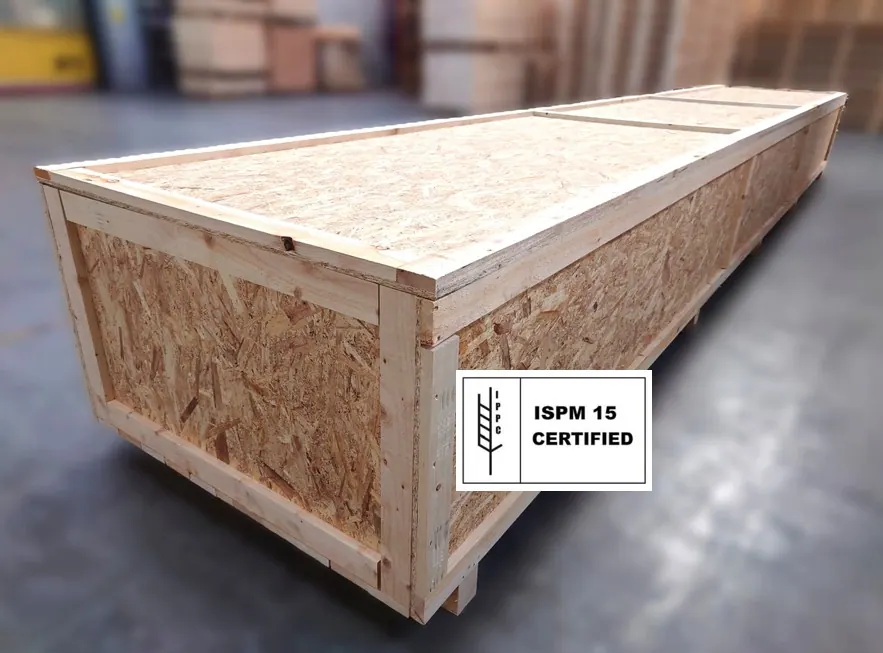
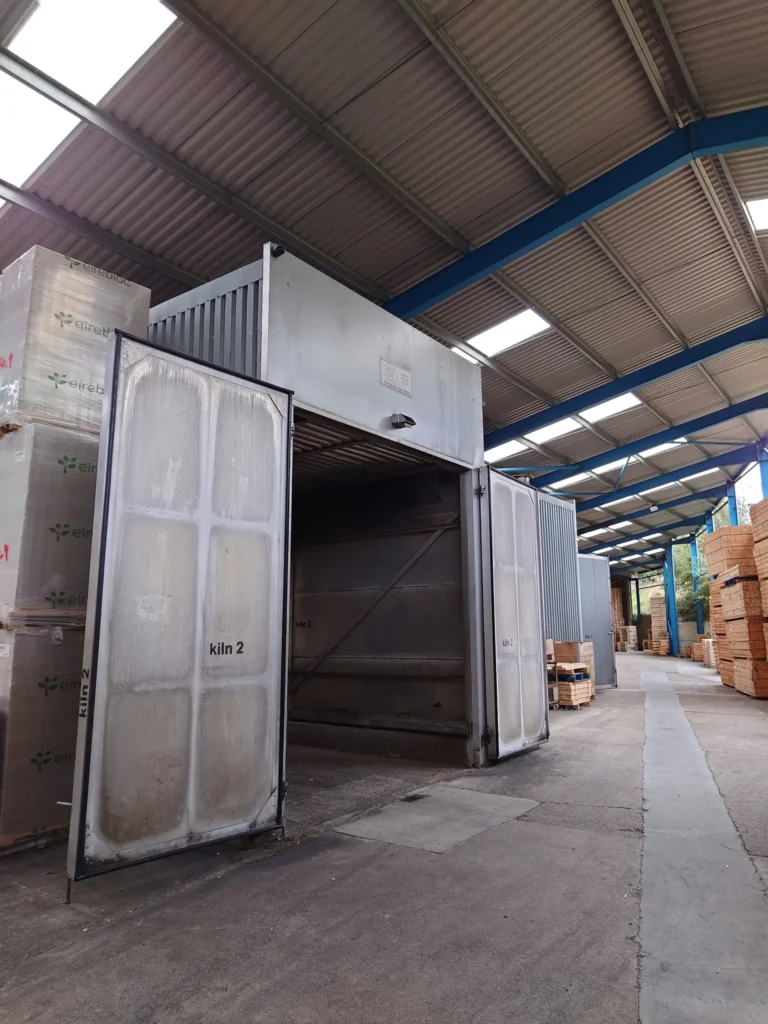
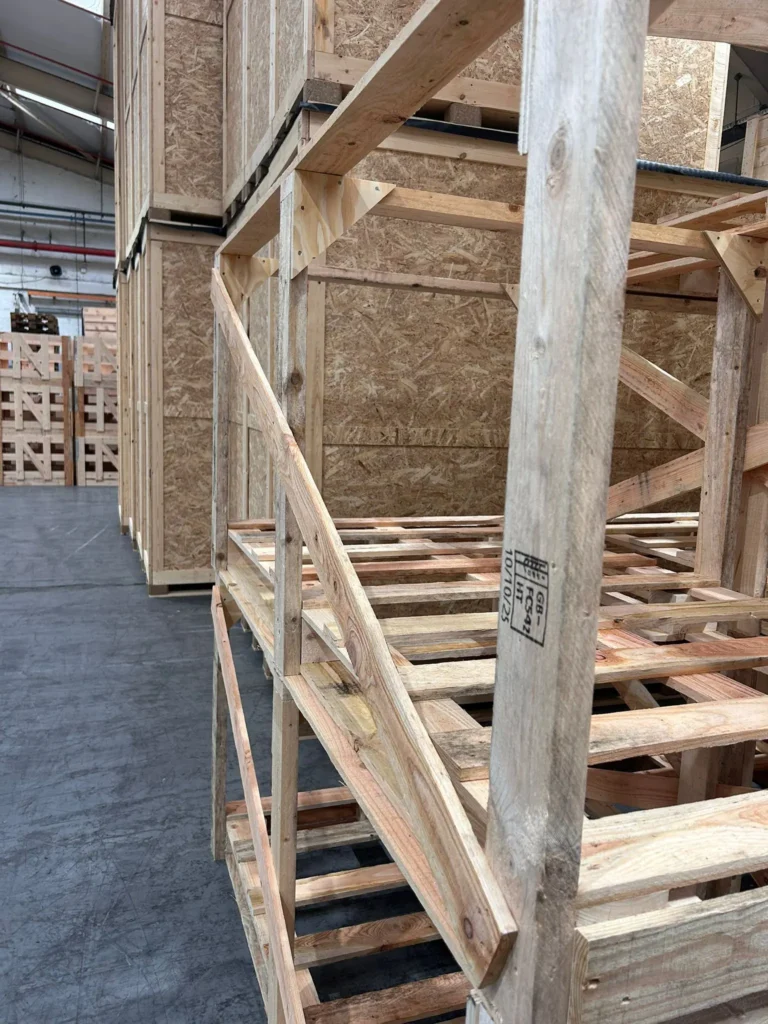
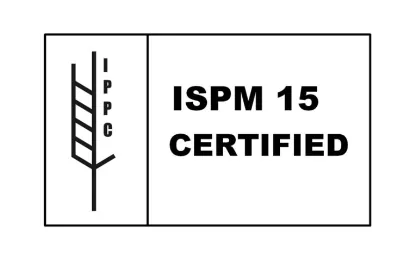
International regulations relating to the control and spread of forest pests and timber diseases. Many countries now require imported timber to satisfy the ISPM15 phytosanitary regulations which are recognised by the World Trade Organisation.
Heat treatment – The wood is heat treated to 56°C core temperature for at least 30 minutes.
This process must be carried out by companies licensed under the UK Wood Packaging Material Marking Programme. Approved companies are issued with a licence and re-assessed every six months. The timber must be debarked before treatment.
Complying products produced by licensed manufacturers are stamped with a permanent mark to prove conformity.
We heat treat pallets in our own kilns at Bideford, build crates and cases from heat-treated timber, and mark everything under registration FC0542. See our heat treated ISPM15 pallets, our export packing service, and how the heat treatment process works.
ISPM 15 is the International Standard for Phytosanitary Measures No. 15, published by the IPPC and adopted by more than 180 countries. It exists to stop timber pests such as the pine wood nematode and longhorn beetles crossing borders inside pallets and crates. It applies to solid wood packaging over 6 mm thick: pallets, crates, cases, dunnage, bearers, skids and cable drums. It does not apply to processed wood such as plywood, OSB, MDF or corrugated board, because the manufacturing process already destroys pests.
A compliant piece of packaging carries a permanent mark with four parts: the IPPC wheat-ear symbol, the two-letter country code (GB), the producer's registration number and the treatment code. Ours reads GB FC0542 HT. The mark is the certificate. Customs officers do not ask for paperwork behind it; they look for the mark, check it is legible and check the wood is debarked. No mark, or a mark that cannot be read, and the consignment can be held, treated at the port at your cost, re-exported or destroyed.
Before 2021, pallets moving between Great Britain and the EU needed nothing. Since 1 January 2021 the EU treats Great Britain as a third country, so every wooden pallet, crate or case entering the EU from GB must be ISPM 15 compliant, and the same applies coming back. Northern Ireland follows EU rules, so GB to NI shipments need it too. The USA, Canada, China, Australia, New Zealand, Japan, India, the Gulf states, Turkey, Switzerland and Norway all enforce it. In practice, if the goods leave the island of Great Britain on wood, plan on ISPM 15.
The mistakes we see most often are the cheap ones to avoid: a stock pallet from a domestic supplier with no mark, a mark hidden under shrink wrap or paint, a repaired pallet with an unmarked replacement board, and dunnage or bracing timber cut on the day from untreated stock and nailed inside a compliant crate. The last one catches exporters out more than any other, which is why we supply bracing and blocking already treated.
APS is registered under the UK Wood Packaging Material Marking Programme and is audited to keep that registration. Pallets are treated in our own two 300-pallet kilns on the same site where they are built; crates and cases are built from timber bought in already kiln dried and heat treated. Each charge is heated until the core of the thickest piece reaches 56 °C and holds it for 30 minutes, logged by probes in the timber, and the charge is released only when the record shows it. The finished products are stamped FC0542, and the kiln records are kept so a shipment can be traced back to its charge.
Because the kilns run around the clock, treatment is not a separate step you have to book with a third party. A pallet can be built, treated and on a lorry within days. For customers who want documentation for their own files or for a freight forwarder we issue a treatment statement with the delivery.
Standard and bespoke ISPM 15 pallets, new from the kiln.
Crates designed for the container, the hold or the aircraft.
We pack the goods here and they leave as one finished consignment.
What happens in a charge and why 56 °C for 30 minutes matters.
They are different things and the difference matters. Heat treatment (HT) is the ISPM 15 requirement: 56 °C at the core for 30 minutes, which kills pests but does not necessarily dry the timber. Kiln drying (KD) takes the moisture content down, typically below 20 percent, which makes the packaging lighter, more stable and less likely to mark goods or grow mould in a container. A kiln-dried pallet is not automatically ISPM 15 compliant, and a heat treated pallet is not automatically dry. We do both in the same kilns and will tell you which you need: HT for anything crossing a border, KD as well when weight, moisture or appearance matter, for instance air freight, electronics or long sea passages.
No. The mark on the wood is the evidence, and customs check the mark, not paperwork. We can supply a treatment statement for your records or your forwarder if you want one.
No. Engineered boards are exempt because the manufacturing process destroys pests. But the timber frame, base and bracing of an OSB or plywood crate are solid wood and do need it, so we build them from heat-treated timber and stamp the finished crate FC0542.
For the life of the packaging, as long as it is not repaired. Replace a board and the item must be re-treated and re-marked by a registered company. That is why repaired used pallets are risky for export unless they come from a registered reconditioner.
Yes, subject to them being debarked and fitting the kiln. In practice it is usually quicker and no dearer to supply new, treated stock.
No. Methyl bromide fumigation (MB) is the other ISPM 15 method but it is banned in the UK and EU. Everything we supply is HT.
Almost none that matter. A handful of small territories have not adopted ISPM 15, but if a shipment is going through any port in Europe, North America, Asia or Australasia, assume it is required.
Email our Sales Team : sales@apspackaging.co.uk
Send us a Message or Request a call back. Enter your details and we’ll be in touch.